Machu Picchu, the iconic archaeological site in Peru, is not only famous for its breathtaking views and rich history but also for its unique location high in the Andes Mountains. One of the most common questions visitors ask is, “What is the altitude of Machu Picchu?” In this blog post, we will delve into the altitude of this world-renowned site, how it compares to other nearby locations, and what you should know to prepare for your visit.
What is the Altitude of Machu Picchu?
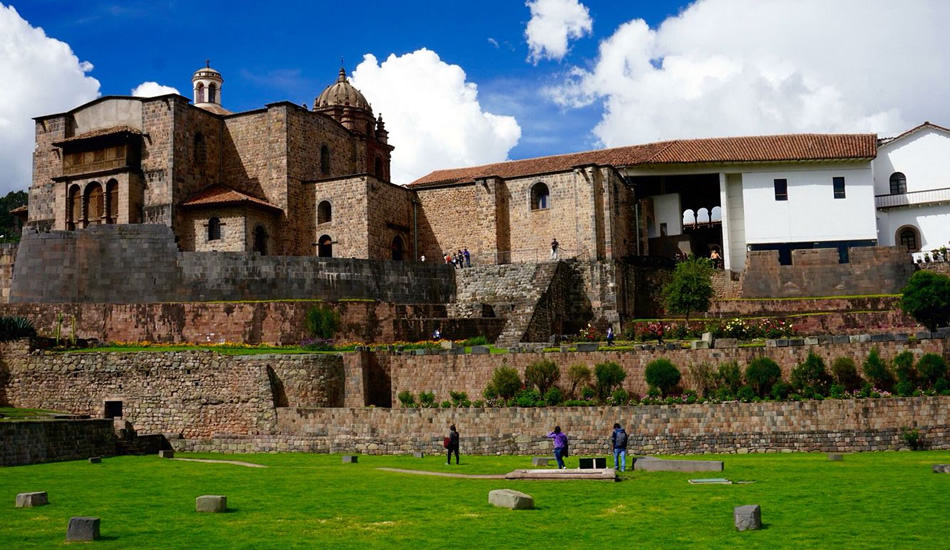
Machu Picchu sits at an elevation of 2,430 meters (7,972 feet) above sea level. While this altitude is significantly high, it is lower than many other popular destinations in the Peruvian Andes, such as Cusco, which is located at 3,399 meters (11,152 feet).
How Does Machu Picchu’s Altitude Compare to Nearby Locations?
- Cusco: As mentioned, Cusco is situated at 3,399 meters (11,152 feet), making it over 900 meters (3,000 feet) higher than Machu Picchu. Travelers often feel the effects of altitude in Cusco more strongly than at Machu Picchu.
- Aguas Calientes (Machu Picchu Pueblo): This town, located at the base of Machu Picchu, is at an elevation of 2,040 meters (6,693 feet).
- Huayna Picchu: The famous mountain you can climb for a panoramic view of Machu Picchu reaches an altitude of 2,720 meters (8,923 feet).
- Machu Picchu Mountain: Another popular hiking option, this peak stands at 3,082 meters (10,111 feet).
Does the Altitude Affect Visitors?
Although Machu Picchu’s altitude is not as extreme as Cusco’s, some visitors may still feel mild effects, especially if they are not accustomed to high altitudes. Common symptoms of altitude adjustment include mild shortness of breath, fatigue, and headaches. However, the majority of travelers acclimatize quickly and experience no significant issues at Machu Picchu’s elevation.
Tips for Managing Altitude
- Acclimatize in Cusco or the Sacred Valley: Spend a day or two in higher-altitude areas like Cusco or the Sacred Valley before visiting Machu Picchu. This allows your body to adjust gradually.
- Stay Hydrated: Drink plenty of water to help your body cope with the altitude.
- Take It Slow: Avoid rushing up stairs or hiking trails. Take your time to enjoy the experience.
- Coca Leaves or Tea: Local remedies, such as chewing coca leaves or drinking coca tea, are popular among visitors and can help with mild altitude discomfort.
- Medication: If you are particularly concerned about altitude sickness, consult with your doctor about medications like acetazolamide (Diamox) that can help prevent or reduce symptoms.
Why Is Machu Picchu’s Altitude Significant?
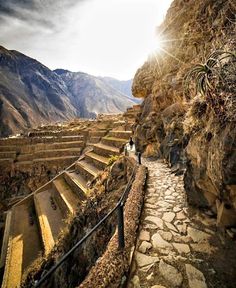
The altitude of Machu Picchu contributes to its mystique and strategic location. Perched on a mountain ridge above the Sacred Valley, the site was carefully chosen by the Incas for its natural defenses, fertile land, and spiritual connection to the surrounding peaks. The manageable altitude also makes it accessible to a wide range of travelers, unlike some other high-altitude destinations.
FAQs About the Altitude of Machu Picchu
- Is Machu Picchu at a higher altitude than Cusco? No, Machu Picchu is about 900 meters (3,000 feet) lower than Cusco.
- Do you need to worry about altitude sickness at Machu Picchu? Most visitors experience little to no issues due to the relatively moderate altitude of 2,430 meters (7,972 feet). However, acclimatizing in Cusco or the Sacred Valley beforehand is recommended.
- What is the altitude of Huayna Picchu? Huayna Picchu stands at 2,720 meters (8,923 feet), making it higher than the main Machu Picchu site.
- What is the best way to acclimatize before visiting Machu Picchu? Spend time in Cusco or the Sacred Valley, stay hydrated, and avoid strenuous activities upon arrival.
- How does Machu Picchu’s altitude compare to Aguas Calientes? Aguas Calientes is lower, at 2,040 meters (6,693 feet), making it a good base for visitors to adjust to the altitude gradually.
Conclusion
The altitude of Machu Picchu is one of the many factors that make it a fascinating destination. At 2,430 meters (7,972 feet), it offers a comfortable experience for most visitors while still providing awe-inspiring views and an unforgettable connection to Inca history. With proper preparation and acclimatization, you can fully enjoy this wonder of the world without letting altitude concerns hold you back.