Machu Picchu, a masterpiece of Inca architecture nestled in the Peruvian Andes, is one of the most iconic archaeological sites in the world. This ancient city, set on a mountaintop, attracts millions of visitors every year, not only for its historical value but also for its stunning beauty and mystery. Let’s dive into its history to understand when and why it was built, abandoned, rediscovered, and what it represents today.
When Was Built Machu Picchu?
Machu Picchu was constructed in the mid-15th century, during the height of the Inca Empire. Scholars date its construction to around 1450, a period when the Inca civilization, under Emperor Pachacuti Inca Yupanqui, was expanding rapidly. This Inca ruler is credited with commissioning the site, transforming a remote Andean ridge into a sophisticated citadel that would become one of the empire’s most celebrated achievements.
Who Built Machu Picchu?
Machu Picchu was built by the Inca civilization, specifically under the reign of Pachacuti, who is considered one of the greatest leaders of the Inca Empire. As an expansionist emperor, he not only extended the empire’s reach but also promoted the construction of monumental architecture to symbolize Inca power and ingenuity. Highly skilled architects, engineers, and laborers worked on Machu Picchu, crafting its intricate stone structures without the use of mortar, a technique known as “ashlar masonry.” This allowed the stones to fit so tightly that not even a blade could pass between them.
Why and When Was Abandoned?
Machu Picchu was abandoned around 1572, likely due to the Spanish conquest of the Inca Empire. While the Spanish never discovered Machu Picchu, their destruction of surrounding cities and the capture of the last Inca stronghold in Vilcabamba led to its desertion. Some researchers suggest that Machu Picchu’s remote location protected it from invasion, but the lack of resources and the isolation eventually made it unsustainable for those who remained. After the fall of the Inca Empire, it was largely forgotten, with only local communities aware of its existence.
When Was the Citadel Rediscovered?
Machu Picchu remained hidden until July 24, 1911, when American historian Hiram Bingham, led by local guides, arrived at the site. Bingham’s “rediscovery” brought international attention to Machu Picchu, sparking scholarly interest and a surge in tourism. His findings were published widely, and Bingham’s accounts helped secure Machu Picchu’s place as one of the most celebrated archaeological discoveries of the 20th century. This rediscovery also marked the beginning of excavation and restoration efforts that continue today.
What Was Machu Picchu’s Purpose?
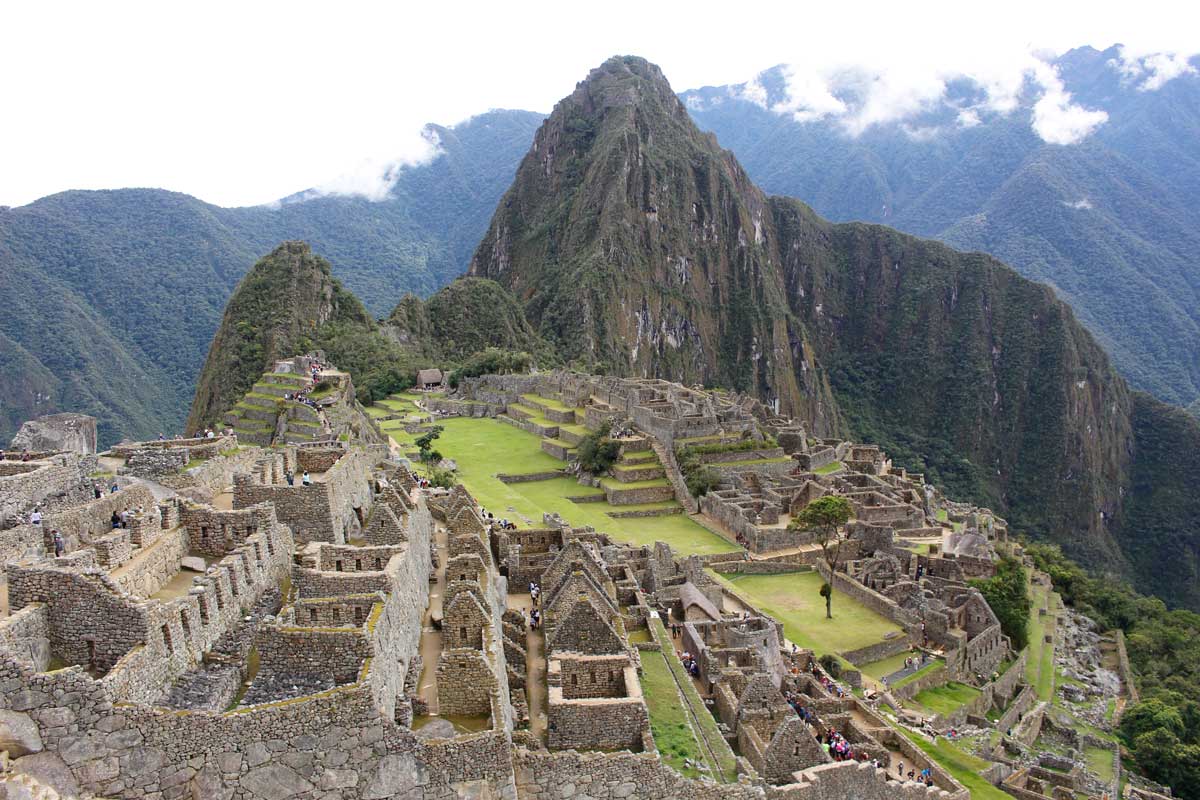
The exact purpose of Machu Picchu remains a subject of debate among historians and archaeologists. While some believe it served as a royal estate or religious retreat for Emperor Pachacuti and the Inca elite, others suggest it was an administrative hub or a sacred pilgrimage site. The presence of temples, astronomical observatories, agricultural terraces, and residential areas indicates that it served multiple functions, blending religious, agricultural, and social purposes. The layout also reflects Inca cosmology, with structures aligning to celestial events and natural landmarks.
MachuPicchu Today
Today, Machu Picchu is a UNESCO World Heritage site and one of the New Seven Wonders of the World. This globally recognized icon attracts millions of visitors each year who marvel at its sophisticated architecture, agricultural terraces, and scenic views. Conservation efforts are ongoing to protect the site from the impact of tourism and natural erosion. Visitors can explore the ruins, hike surrounding trails like Machu Picchu Mountain and Huayna Picchu, and witness firsthand the legacy of the Inca Empire.
Machu Picchu’s remarkable history, mysterious abandonment, and eventual rediscovery have only added to its allure. Its enduring presence is a testament to the Inca’s architectural genius and cultural depth, making it a timeless destination for explorers, historians, and nature lovers alike precision