When planning your visit to Machu Picchu, understanding the best time to go is essential to make the most of your experience. The short answer is that the dry season (May to September) is generally considered the best time to visit Machu Picchu due to clear skies and ideal hiking conditions. However, each season offers unique advantages, so the best time may vary depending on your preferences. Below, we’ll break down the dry season, wet season, and shoulder seasons, along with key weather insights, to help you decide.
The Dry Season (May to September)
The dry season is the most popular time to visit Machu Picchu, attracting travelers from around the world. Here’s what you can expect:
Weather
- Temperature: Daytime temperatures range from 15°C to 20°C (59°F to 68°F). Nights can drop to as low as 0°C (32°F), especially in June and July.
- Rainfall: Minimal, with clear skies and little to no rain.
Advantages
- Ideal hiking conditions: The dry trails and pleasant weather make it perfect for treks such as the Inca Trail and Salkantay Trek.
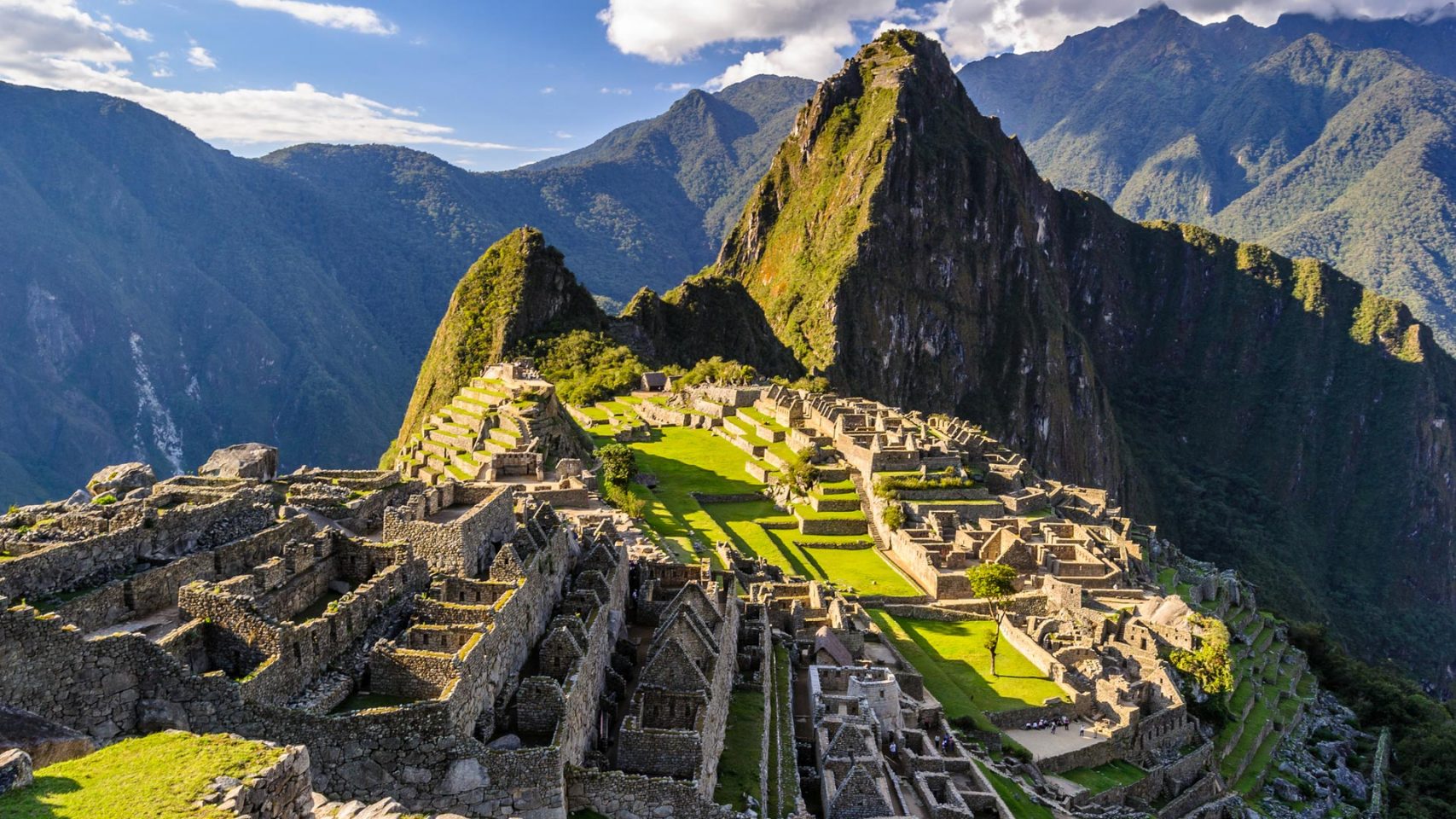
- Stunning views: Clear skies provide the best visibility of the Andes and iconic sites like Huayna Picchu and the surrounding landscape.
- Festivals: This season coincides with traditional festivals in Cusco, such as Inti Raymi in June, adding cultural richness to your trip.
Considerations
- Crowds: The dry season is peak tourist season. Expect higher foot traffic at Machu Picchu and on popular trails.
- Costs: Accommodation and tour prices may be higher due to increased demand.
The Wet Season (November to March)
The wet season sees fewer visitors, but it comes with its own charm for those who don’t mind a bit of rain.
Weather
- Temperature: Daytime temperatures range from 18°C to 22°C (64°F to 72°F), with milder nights compared to the dry season.
- Rainfall: Frequent rain showers, often in the afternoon. January and February are the rainiest months.
Advantages
- Lush landscapes: Rain brings vibrant greenery to the Sacred Valley, making the scenery especially beautiful.
- Fewer crowds: Machu Picchu is less crowded, allowing for a more peaceful experience.
- Lower costs: Hotels and tours are generally more affordable during this period.
Considerations
- Trail closures: The Inca Trail is closed for maintenance in February. Other trails may become muddy or slippery.
- Limited visibility: Rain and clouds can obscure views of the ruins and surrounding mountains.
The Shoulder Seasons (April and October)
The shoulder seasons offer a balance between the dry and wet seasons, making them an excellent choice for many travelers.
Weather
- Temperature: Daytime temperatures range from 15°C to 22°C (59°F to 72°F). Nights are cool but not as cold as in the dry season.
- Rainfall: Moderate. You may encounter some light showers but generally better weather than the wet season.
Advantages
- Balanced conditions: Enjoy fewer crowds, lower prices, and decent weather for both sightseeing and hiking.
- Good visibility: While there may be occasional clouds, the views are often clear in the morning.
Considerations
Unpredictable weather: Conditions can vary, so it’s wise to pack for both sun and rain.
Weather Overview
Machu Picchu’s climate is defined by two distinct seasons: the dry season and the wet season. Regardless of the time of year, the weather can change rapidly due to the region’s high-altitude location. It’s best to dress in layers and carry rain gear, even during the dry season.
Conclusion: Choosing Your Best Time to visit Machu Picchu
The best time to visit Machu Picchu depends on your priorities:
- For the clearest weather and ideal hiking conditions, choose the dry season (May to September).
- If you prefer fewer crowds and lush landscapes, the wet season (November to March) can be rewarding, but prepare for rain.
- For a mix of both worlds, consider the shoulder seasons (April and October).
No matter when you visit, Machu Picchu’s timeless beauty and historical significance ensure a memorable experience.
FAQs
1. What is the warmest month to visit Machu Picchu?
The warmest months are November to March, during the wet season, with daytime temperatures reaching up to 22°C (72°F).
2. What is the coldest month at Machu Picchu?
June and July are the coldest months, with nighttime temperatures dropping to 0°C (32°F).
3. Is it safe to hike during the wet season?
Yes, but trails may be slippery. Proper footwear and caution are essential. Note that the Inca Trail is closed in February.
4. Can I visit Machu Picchu in February?
Yes, the site itself remains open, but the Inca Trail is closed for maintenance.
5. When are the least crowded months to visit Machu Picchu?
The wet season (November to March) typically sees fewer visitors, with February being the least crowded month.
6. How far in advance should I book tickets for the dry season?
It’s recommended to book tickets at least 3 to 6 months in advance, especially for popular trails like the Inca Trail.
7. What should I pack for a visit to Machu Picchu?
Essentials include layered clothing, rain gear, sunscreen, comfortable hiking shoes, and a reusable water bottle.
8. Are there any festivals in Cusco during the dry season?
Yes, Inti Raymi, the Festival of the Sun, takes place in June and is a major cultural highlight.
9. Is the dry season hot at Machu Picchu?
No, temperatures are mild, with warm days and cool nights. The sun can feel intense, so sunscreen is crucial.
10. What time of day is best for visiting Machu Picchu?
Early morning visits provide fewer crowds and a chance to see the sunrise, while afternoon visits often have better light for photography.